6 MIN READ
Top 3 Free Creative Tools to Learn in 2026

Bryson Sellers
Creative Director

6 MIN READ
Top 3 Free Creative Tools to Learn in 2026
Bryson Sellers
Creative Director
Jumpstart your projects in 2026
Ready to upgrade your creative toolkit without spending a dime? Meet three free, powerful tools that help designers work smarter, reach wider audiences, and build ideas that actually move. These tools pack serious power in the world of motion and interactivity and yes, they’re totally free to learn. Grab a snack and dive into our top three creative tools to start mastering in 2026.

Jumpstart your projects in 2026
Ready to upgrade your creative toolkit without spending a dime? Meet three free, powerful tools that help designers work smarter, reach wider audiences, and build ideas that actually move. These tools pack serious power in the world of motion and interactivity and yes, they’re totally free to learn. Grab a snack and dive into our top three creative tools to start mastering in 2026.
#3 Effect House
What is Effect House?
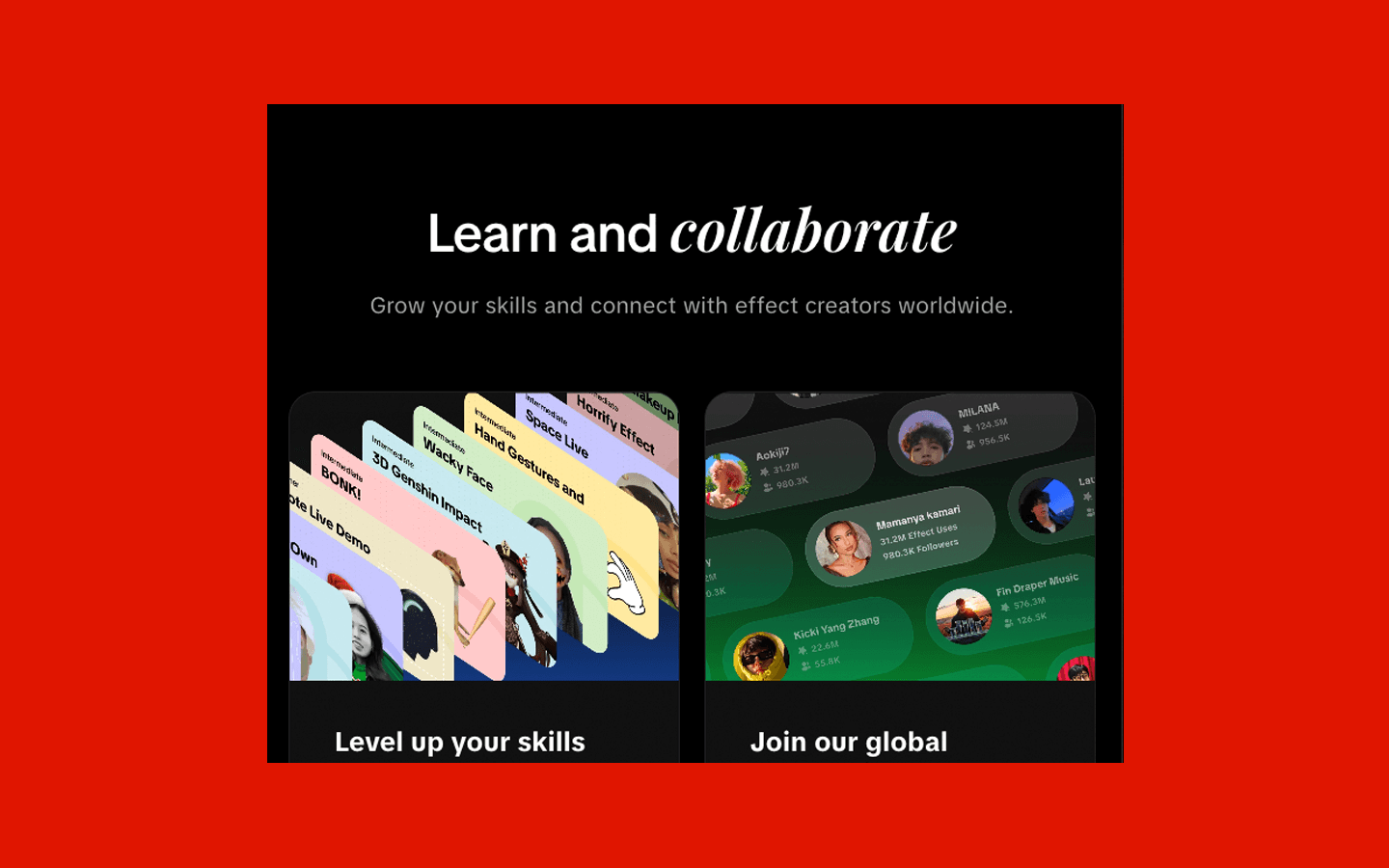
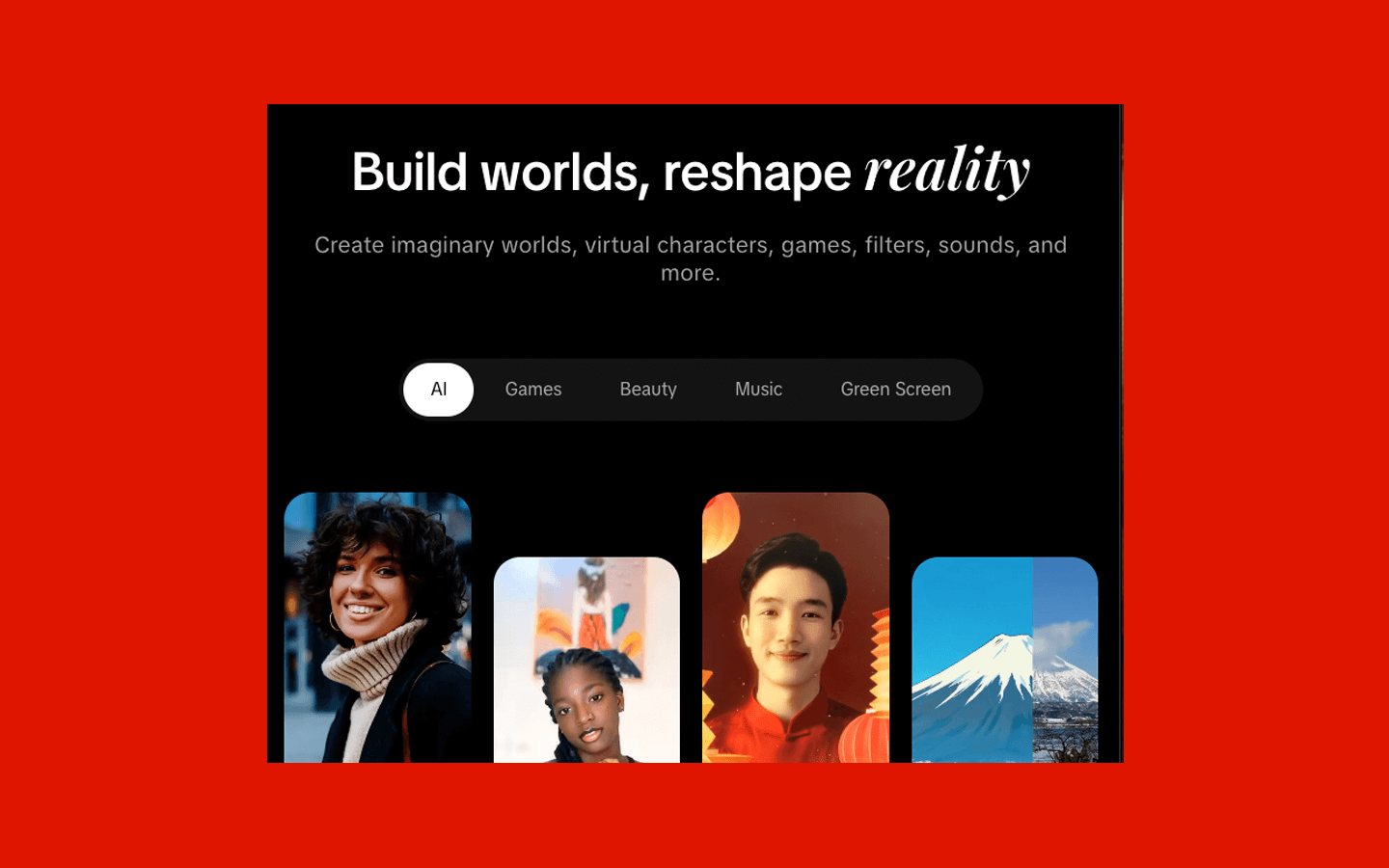
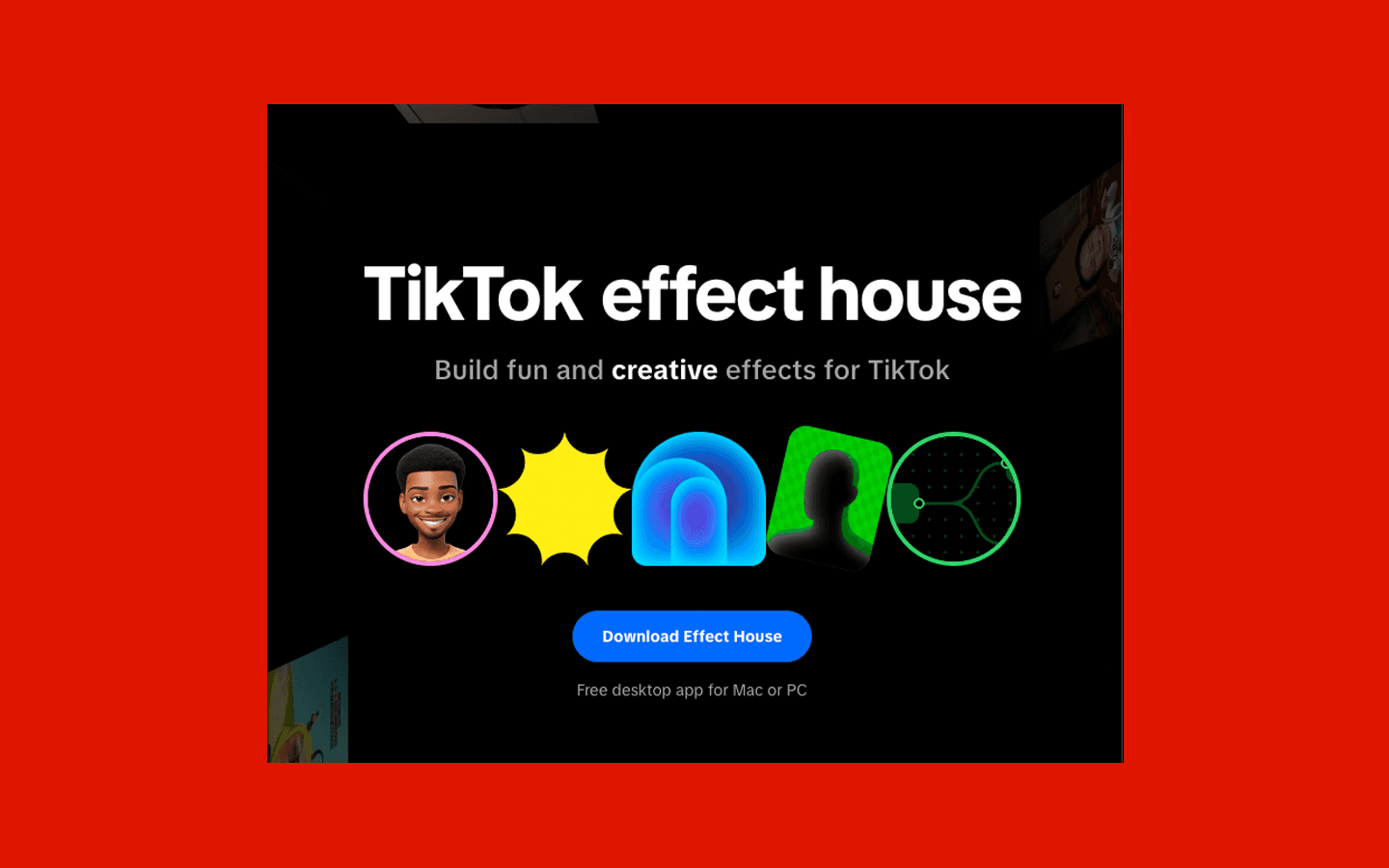
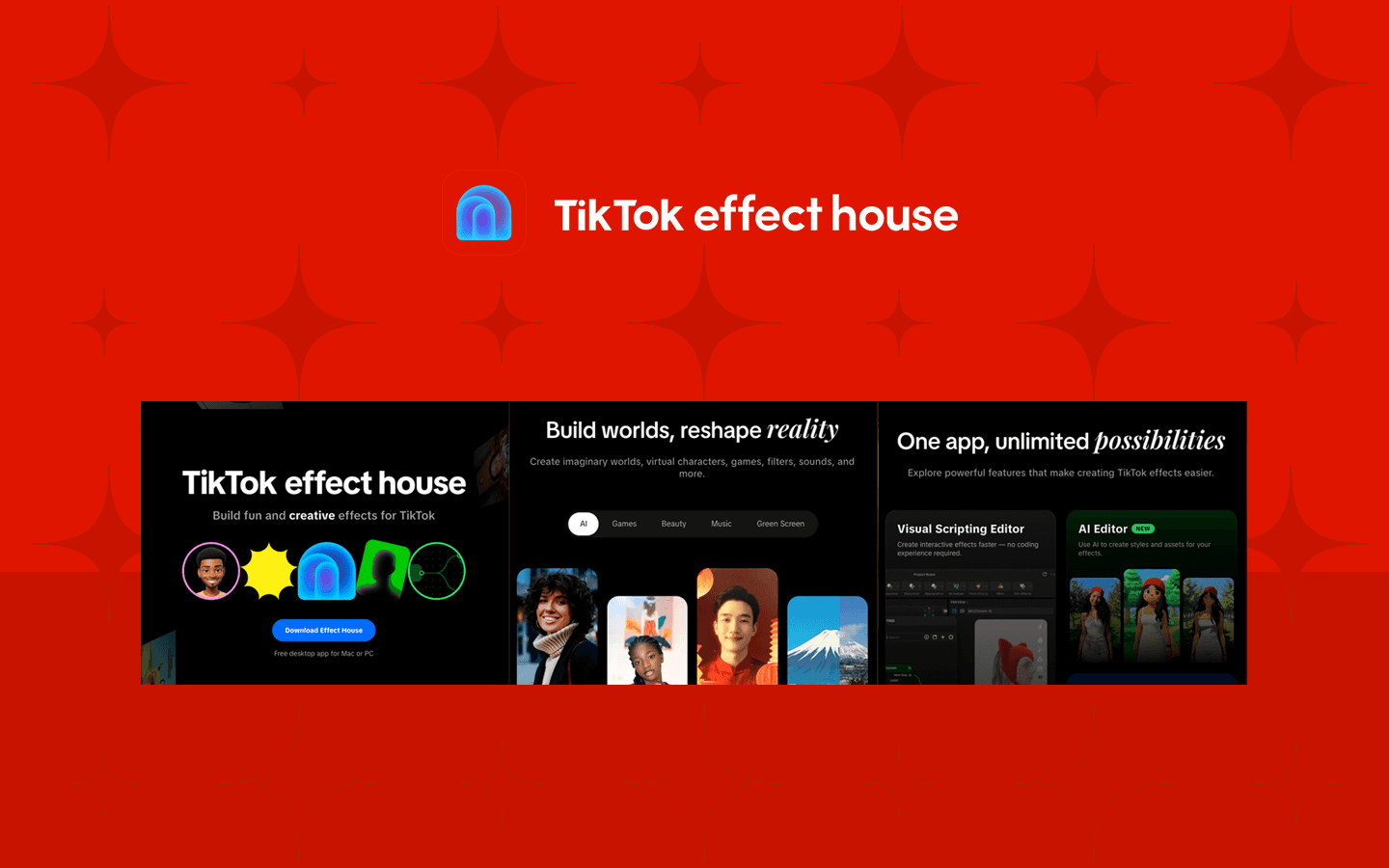
Effect House is TikTok’s official AR creation tool that lets designers, developers, and curious creatives build interactive effects for millions of users. It serves creators who want to move beyond passive content and into tap-based, face-tracked, and game-like experiences that live directly inside social feeds. If TikTok is the stage, Effect House is the backstage pass.
Who built it?
Effect House is built and maintained by TikTok / ByteDance, with constant feedback loops from its global creator community. Notable influence comes less from individuals and more from the Effect House Creator Community, which drives trends through viral filters, games, and experimental interactions. TikTok’s investment in AR education and creator monetization has accelerated its growth fast.
How does it work?
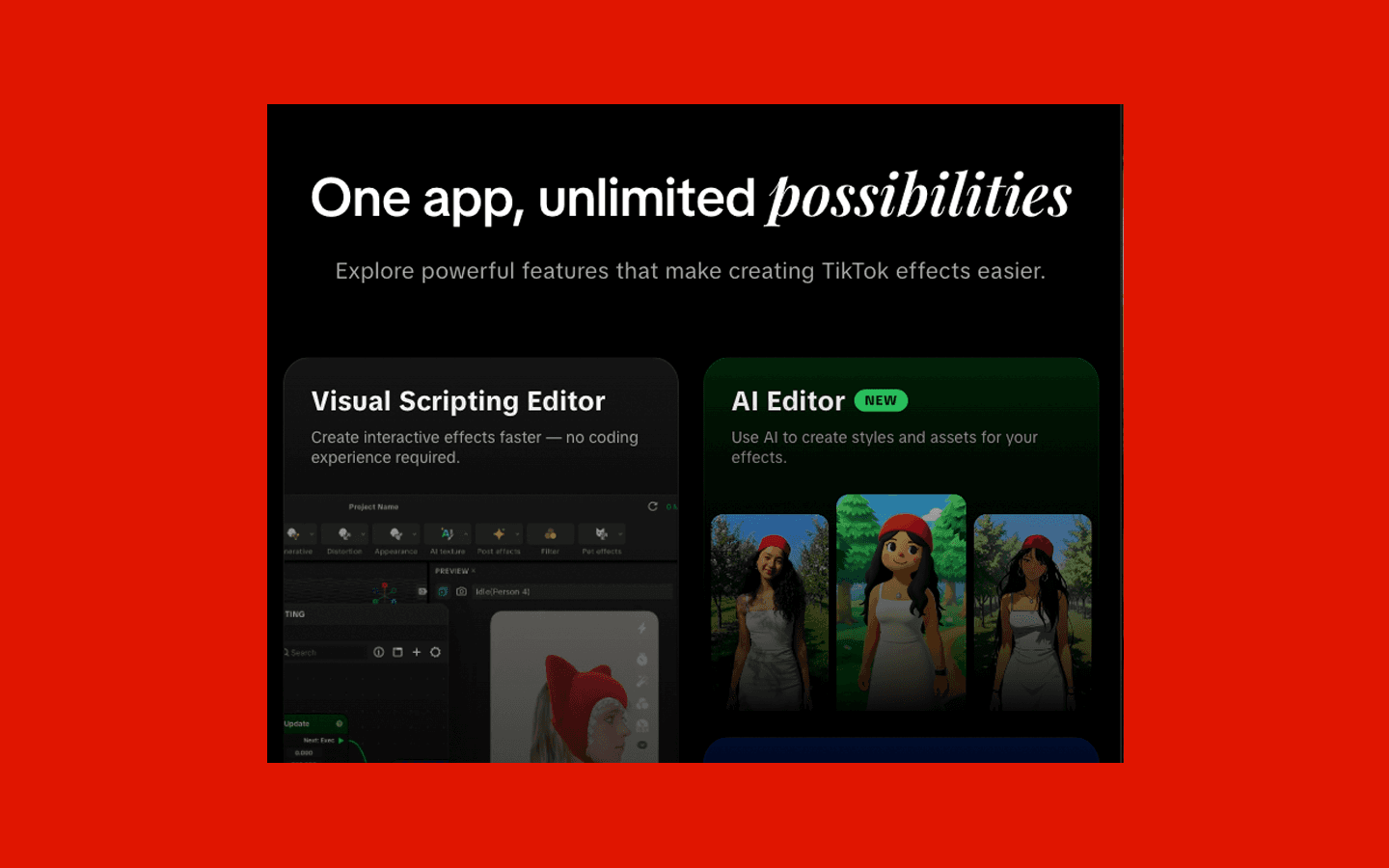
Effect House combines node-based visual scripting, JavaScript, and real-time AR tracking (face, hands, body, world) into one editor. Creators design logic, visuals, and interactions, then publish effects directly to TikTok for immediate distribution. The result is a rare combo of technical depth and instant audience reach.
#3 Effect House
What is Effect House?
Effect House is TikTok’s official AR creation tool that lets designers, developers, and curious creatives build interactive effects for millions of users. It serves creators who want to move beyond passive content and into tap-based, face-tracked, and game-like experiences that live directly inside social feeds. If TikTok is the stage, Effect House is the backstage pass.
Who built it?
Effect House is built and maintained by TikTok / ByteDance, with constant feedback loops from its global creator community. Notable influence comes less from individuals and more from the Effect House Creator Community, which drives trends through viral filters, games, and experimental interactions. TikTok’s investment in AR education and creator monetization has accelerated its growth fast.
How does it work?
Effect House combines node-based visual scripting, JavaScript, and real-time AR tracking (face, hands, body, world) into one editor. Creators design logic, visuals, and interactions, then publish effects directly to TikTok for immediate distribution. The result is a rare combo of technical depth and instant audience reach.


Why is Effect House on this list?
Effect House earns its spot because it teaches real-time interaction design at internet scale — for free. It’s one of the fastest ways to learn how motion, logic, and UX behave when millions of people are tapping unpredictably. Few tools reward experimentation with actual audience feedback this quickly.
What's our long term view?
Learning Effect House trains creators to think in systems, interactions, and outcomes, not just visuals. As AR, spatial UI, and interactive media become more normalized, these skills translate directly into games, XR, product design, and immersive web experiences. Today it’s TikTok filters — tomorrow it’s spatial computing.
Why is Effect House on this list?
Effect House earns its spot because it teaches real-time interaction design at internet scale — for free. It’s one of the fastest ways to learn how motion, logic, and UX behave when millions of people are tapping unpredictably. Few tools reward experimentation with actual audience feedback this quickly.
What's our long term view?
Learning Effect House trains creators to think in systems, interactions, and outcomes, not just visuals. As AR, spatial UI, and interactive media become more normalized, these skills translate directly into games, XR, product design, and immersive web experiences. Today it’s TikTok filters — tomorrow it’s spatial computing.
Why is Effect House on this list?
Effect House earns its spot because it teaches real-time interaction design at internet scale — for free. It’s one of the fastest ways to learn how motion, logic, and UX behave when millions of people are tapping unpredictably. Few tools reward experimentation with actual audience feedback this quickly.
What's our long term view?
Learning Effect House trains creators to think in systems, interactions, and outcomes, not just visuals. As AR, spatial UI, and interactive media become more normalized, these skills translate directly into games, XR, product design, and immersive web experiences. Today it’s TikTok filters — tomorrow it’s spatial computing.
#2 Rive
What is Rive?
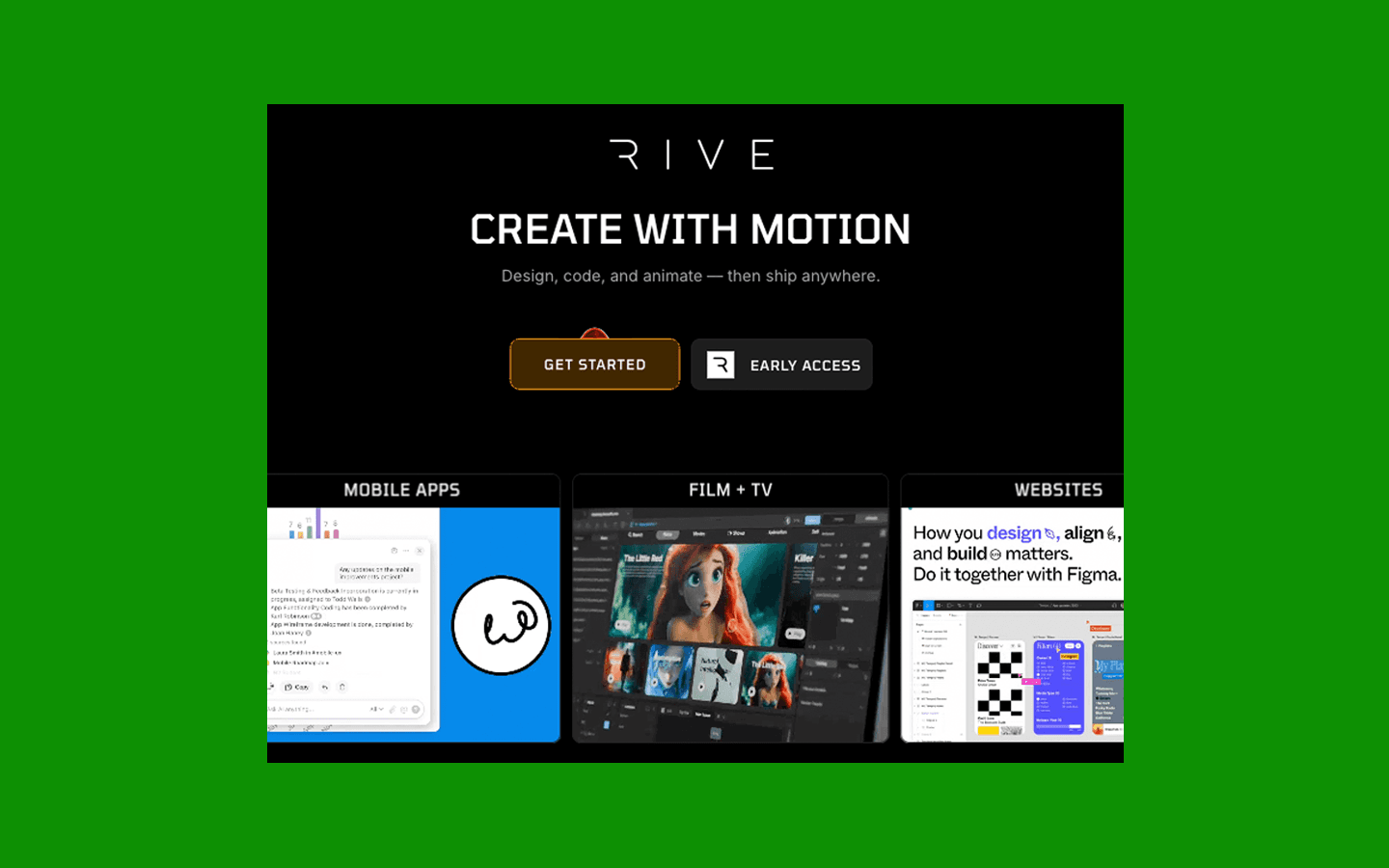
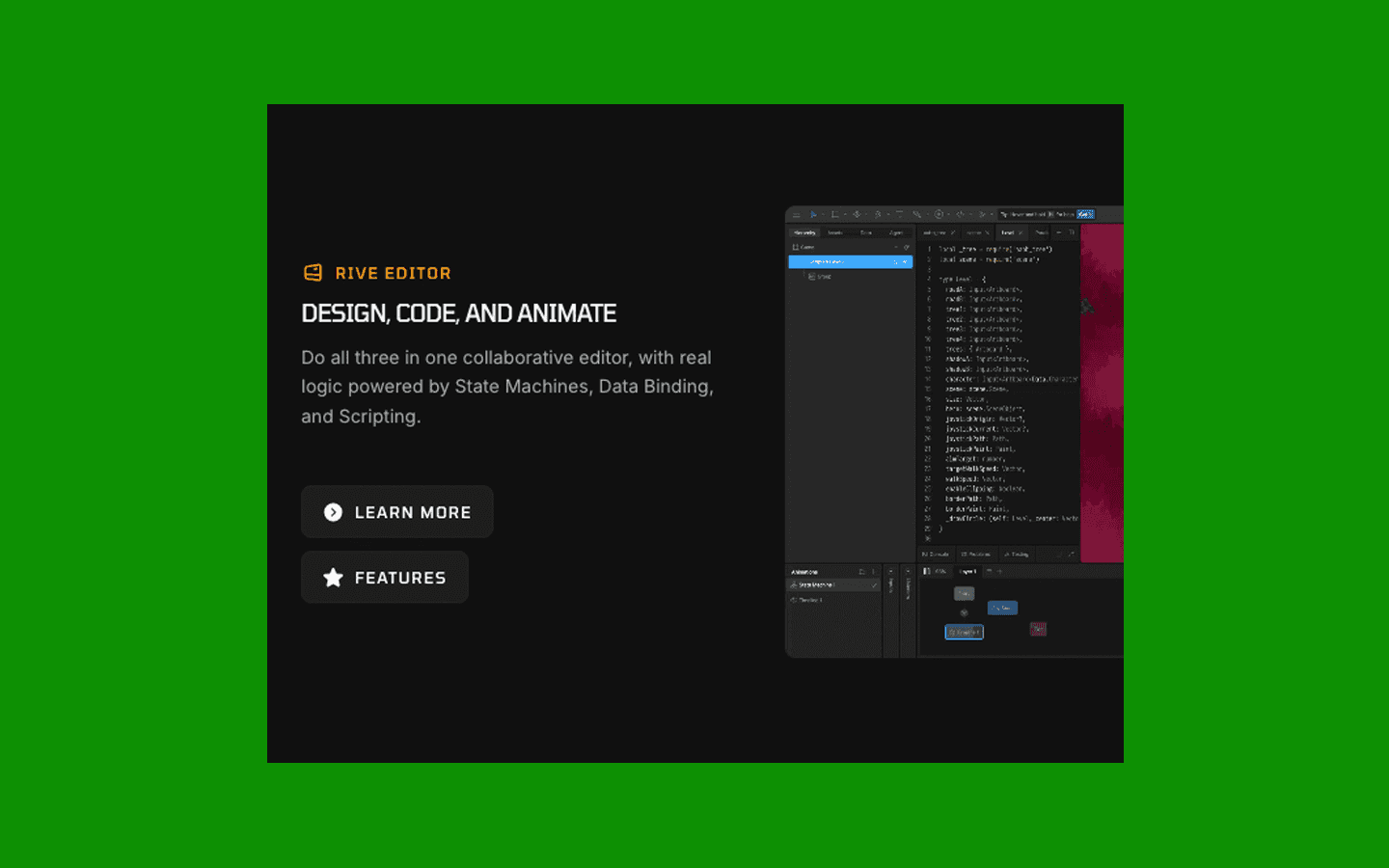
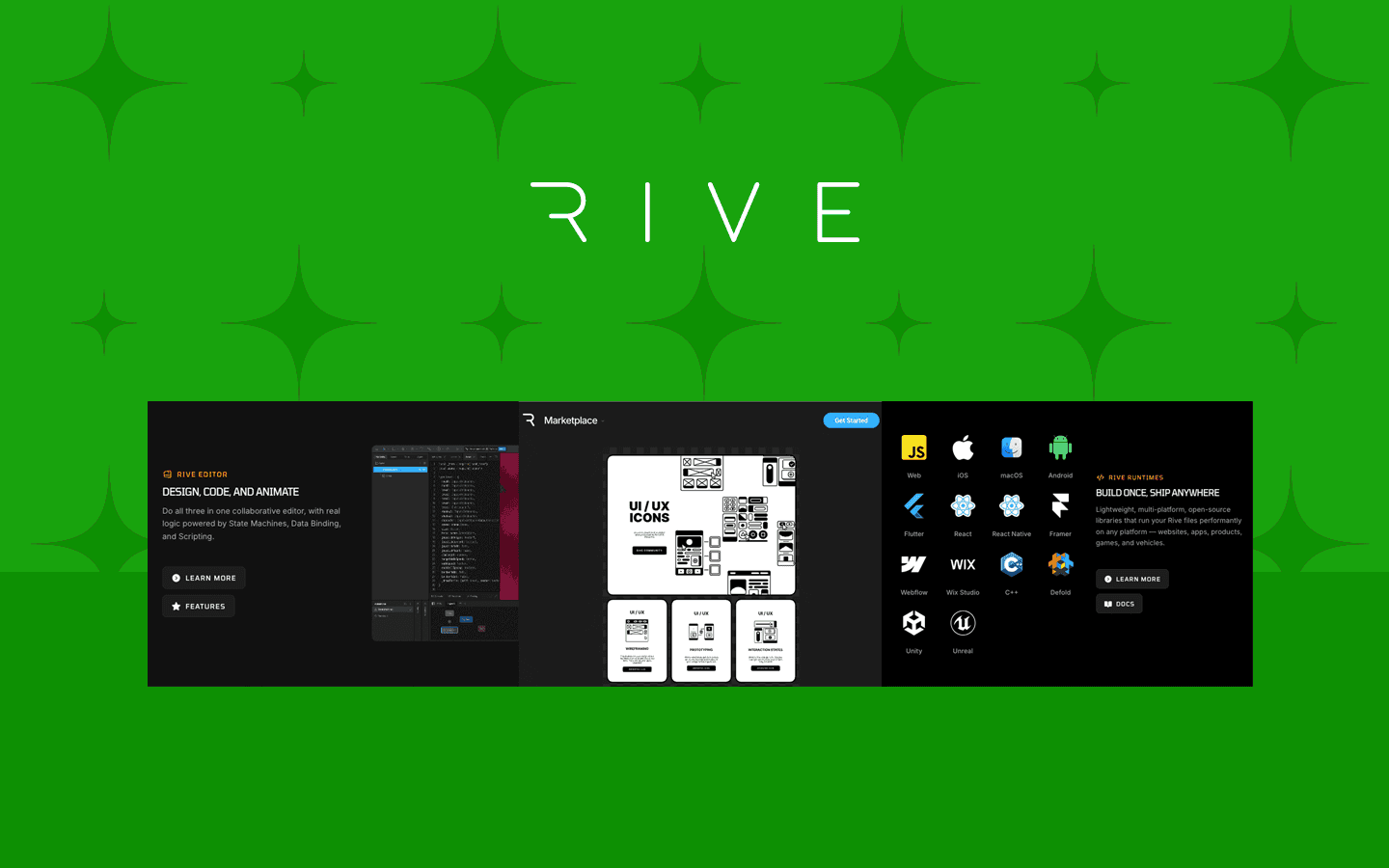
Rive is a real-time animation and interaction design tool built for modern products, games, and apps. It serves designers and developers who want animations that respond to user input, logic, and state changes instead of looping forever like a GIF that doesn’t know it’s being ignored.
Who built it?
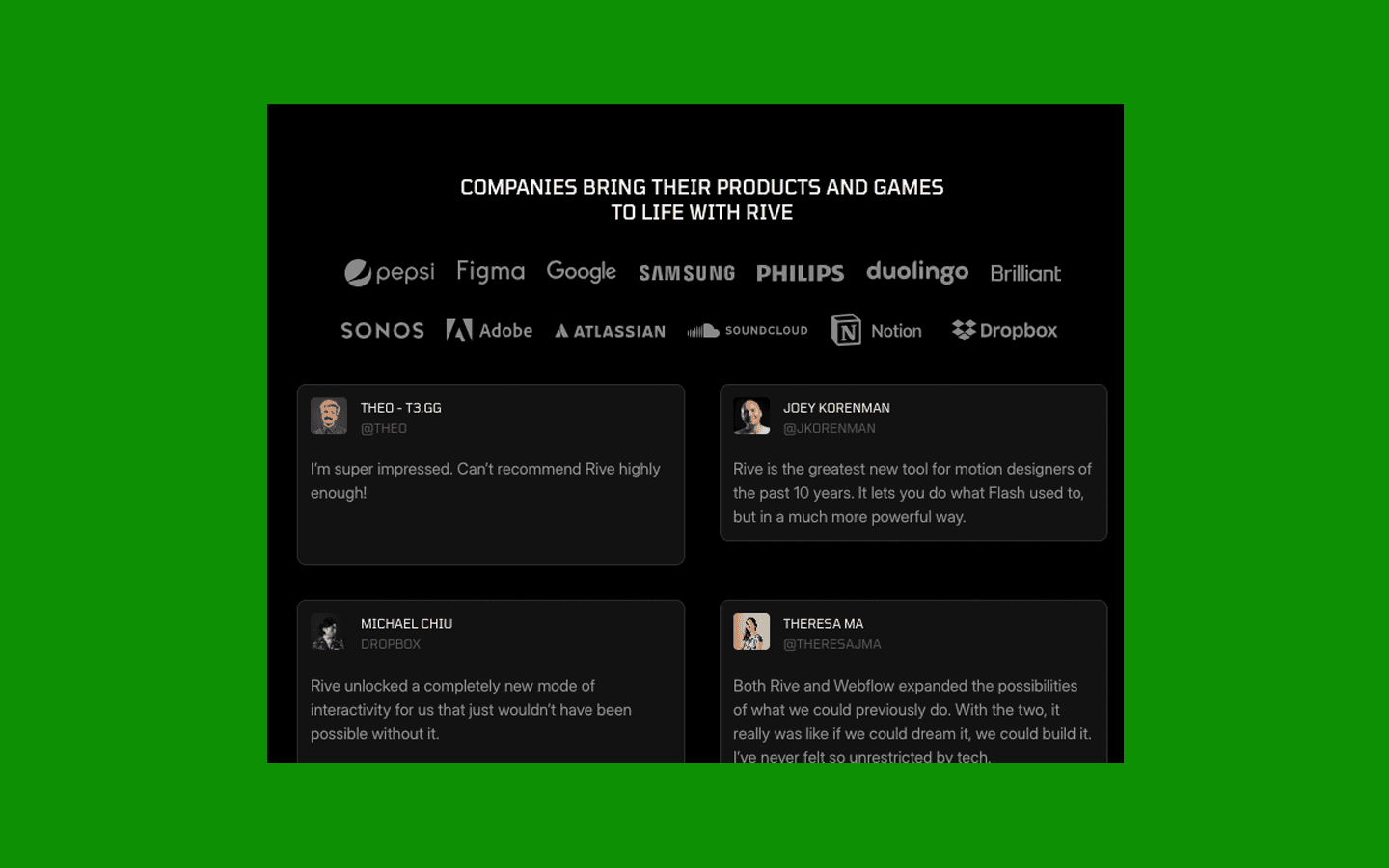
Rive was founded by Guillermo Rauch, Matias Coremberg, and Juan Pablo González (formerly of Flare). Its rapid adoption is driven by a strong community of product designers, game developers, and indie creators pushing interactive motion beyond traditional timelines.
How does it work?
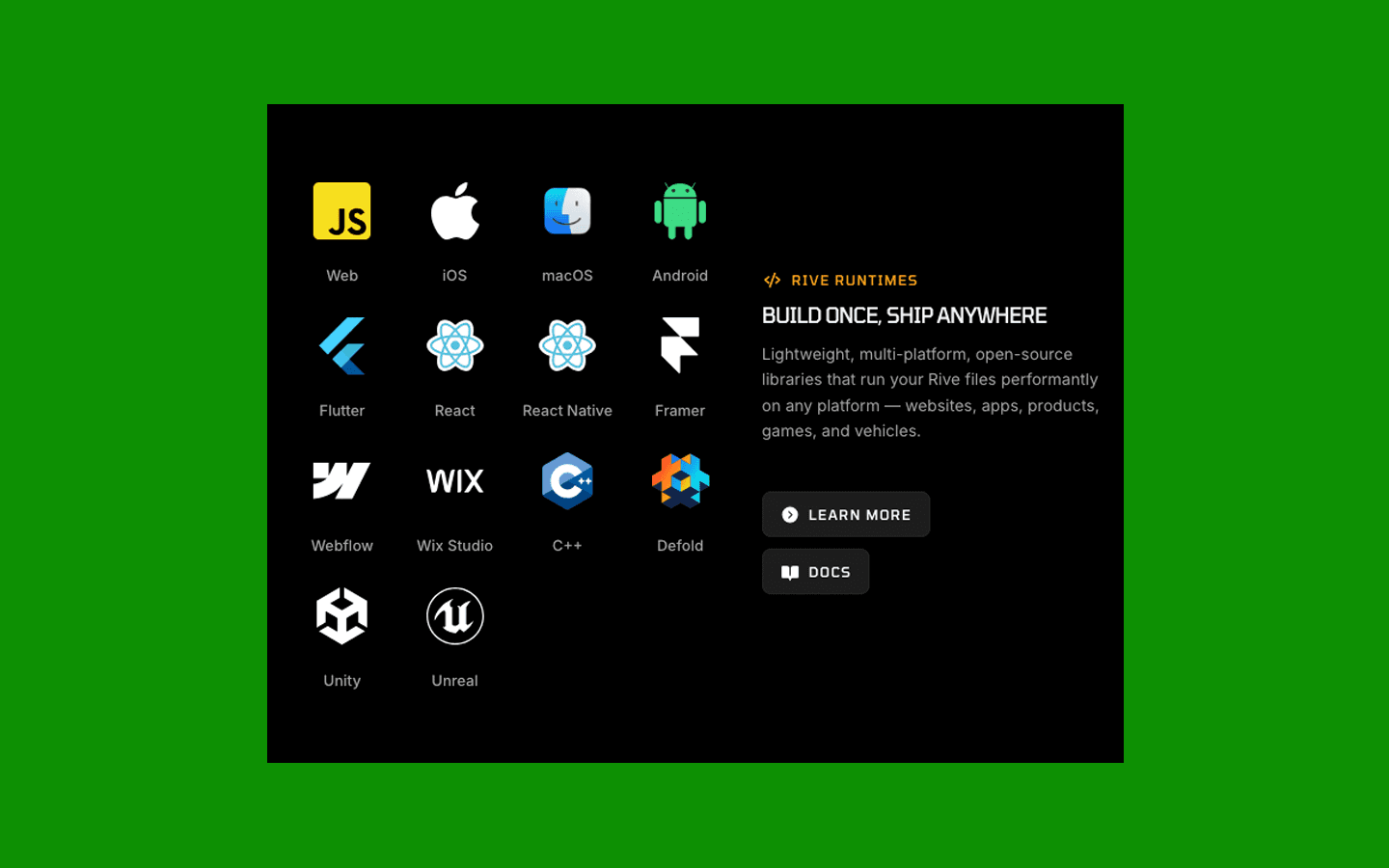
Rive uses a state machine–based animation system that lets creators define how visuals react to user inputs and conditions. Animations are exported as lightweight runtime files that run natively across web, mobile, and game engines. The result is motion that behaves like software, not video.
#2 Rive
What is Rive?
Rive is a real-time animation and interaction design tool built for modern products, games, and apps. It serves designers and developers who want animations that respond to user input, logic, and state changes instead of looping forever like a GIF that doesn’t know it’s being ignored.
Who built it?
Rive was founded by Guillermo Rauch, Matias Coremberg, and Juan Pablo González (formerly of Flare). Its rapid adoption is driven by a strong community of product designers, game developers, and indie creators pushing interactive motion beyond traditional timelines.
How does it work?
Rive uses a state machine–based animation system that lets creators define how visuals react to user inputs and conditions. Animations are exported as lightweight runtime files that run natively across web, mobile, and game engines. The result is motion that behaves like software, not video.
Why is Rive on this list?
Rive was chosen because it represents the future of motion design: interactive, reusable, and performance-friendly. It teaches creators how to think in logic, states, and systems — skills that apply far beyond animation.
What's our long term view?
Readers who learn Rive will gain a major edge as products demand richer, more responsive interfaces. Understanding state-driven animation opens doors to UX design, game development, and interactive storytelling. It’s motion design that actually listens.
Why is Rive on this list?
Rive was chosen because it represents the future of motion design: interactive, reusable, and performance-friendly. It teaches creators how to think in logic, states, and systems — skills that apply far beyond animation.
What's our long term view?
Readers who learn Rive will gain a major edge as products demand richer, more responsive interfaces. Understanding state-driven animation opens doors to UX design, game development, and interactive storytelling. It’s motion design that actually listens.
Why is Rive on this list?
Rive was chosen because it represents the future of motion design: interactive, reusable, and performance-friendly. It teaches creators how to think in logic, states, and systems — skills that apply far beyond animation.
What's our long term view?
Readers who learn Rive will gain a major edge as products demand richer, more responsive interfaces. Understanding state-driven animation opens doors to UX design, game development, and interactive storytelling. It’s motion design that actually listens.
#1 Framer
What is Framer?
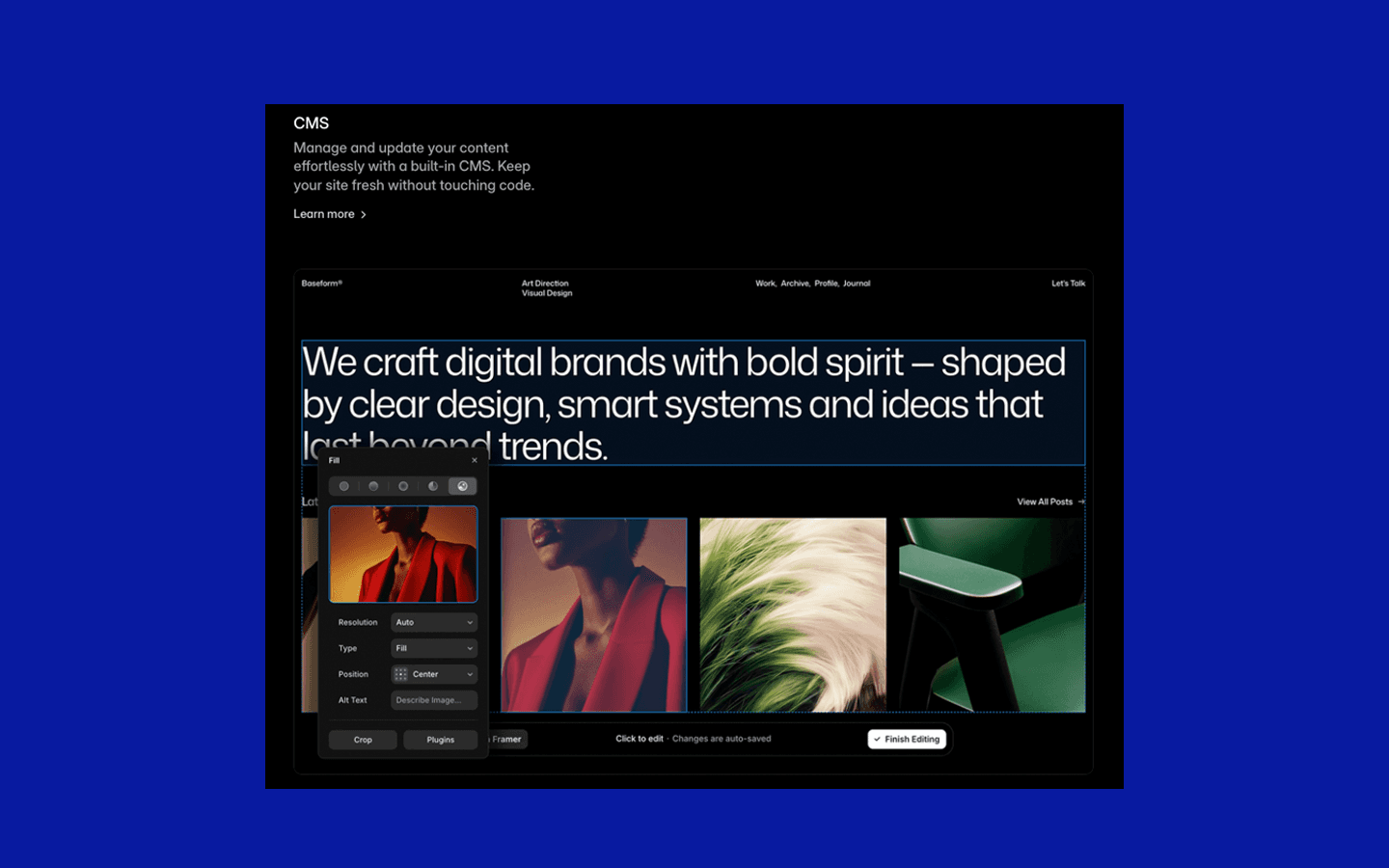
Framer is a design-to-web platform that lets creators build real, responsive websites without handing designs off to a developer (or becoming one overnight). It serves designers, founders, and creative teams who want full visual control with just enough code under the hood to feel powerful.
Who built it?
Framer is developed by Framer B.V., with deep roots in the design tooling space. Its ecosystem thrives thanks to a large community of product designers, indie founders, and creative technologists sharing components, templates, and experiments.
How does it work?
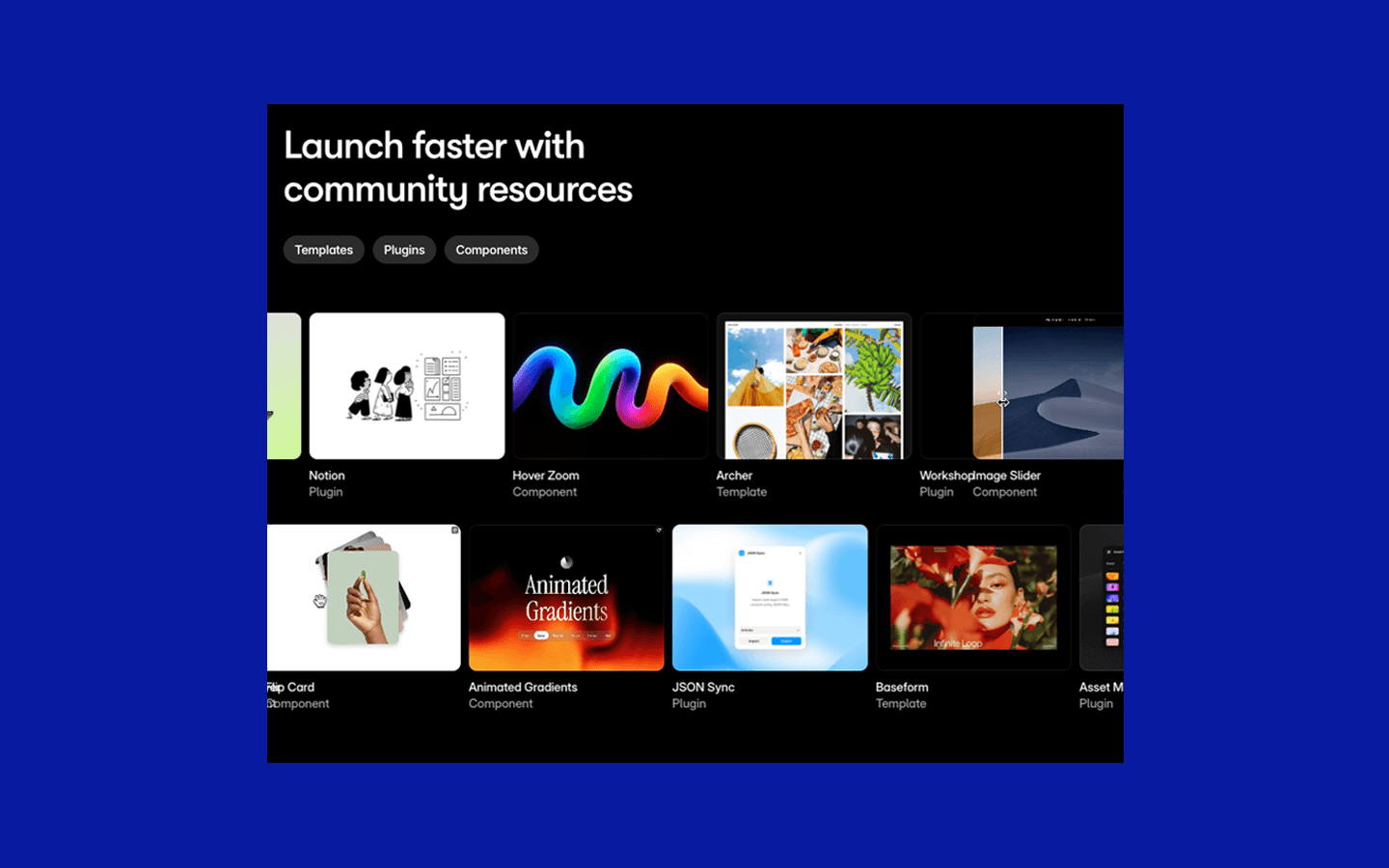
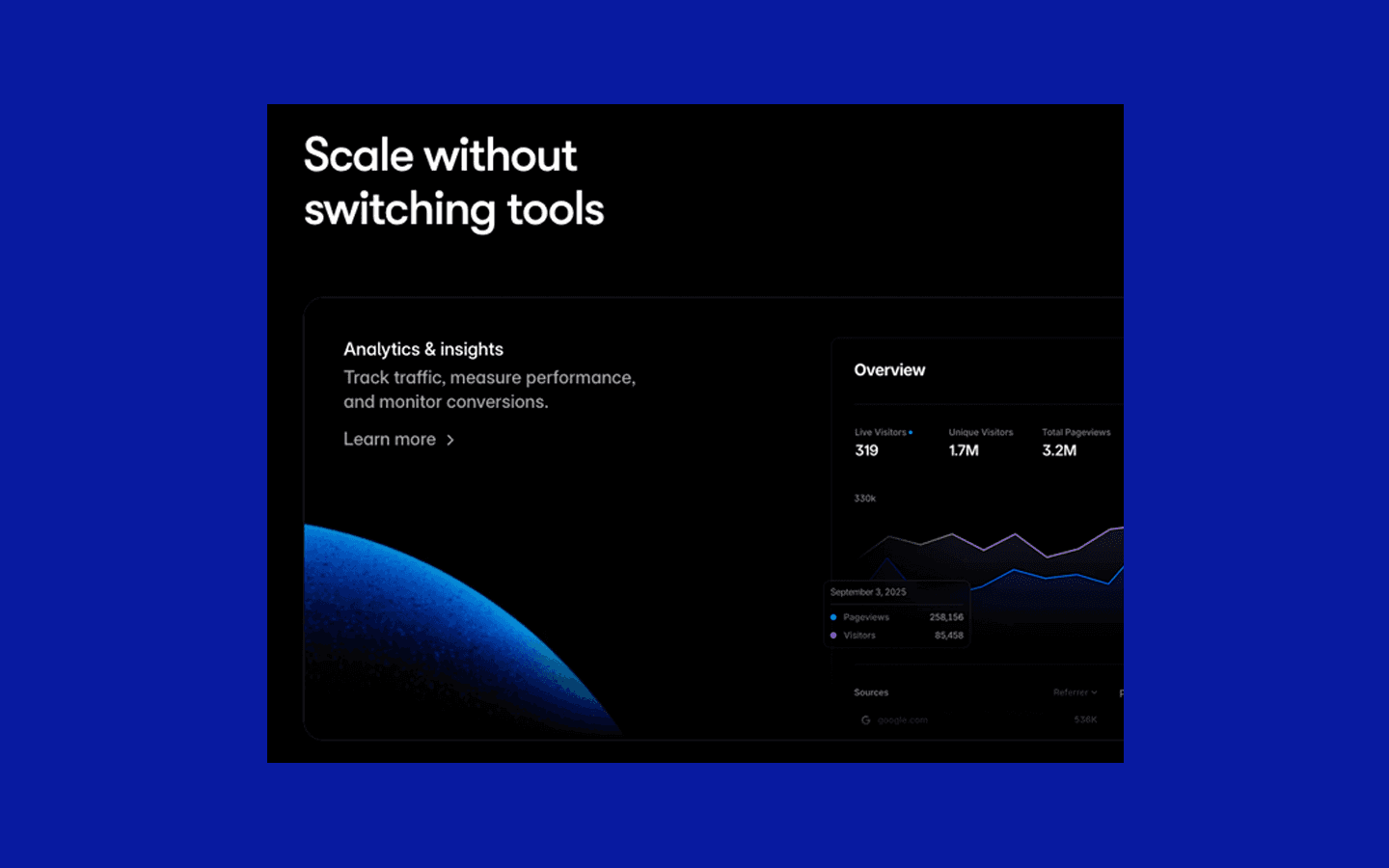
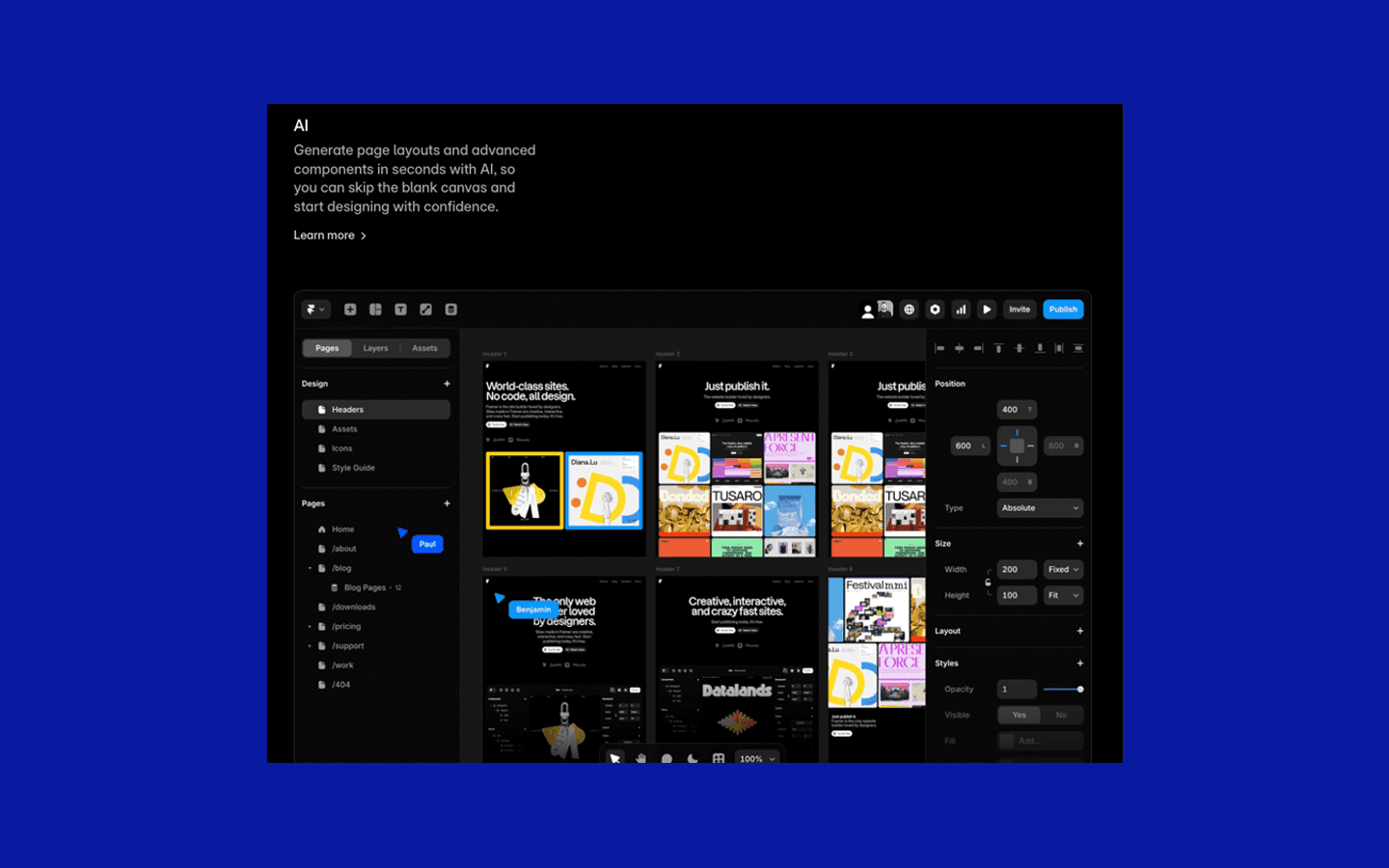
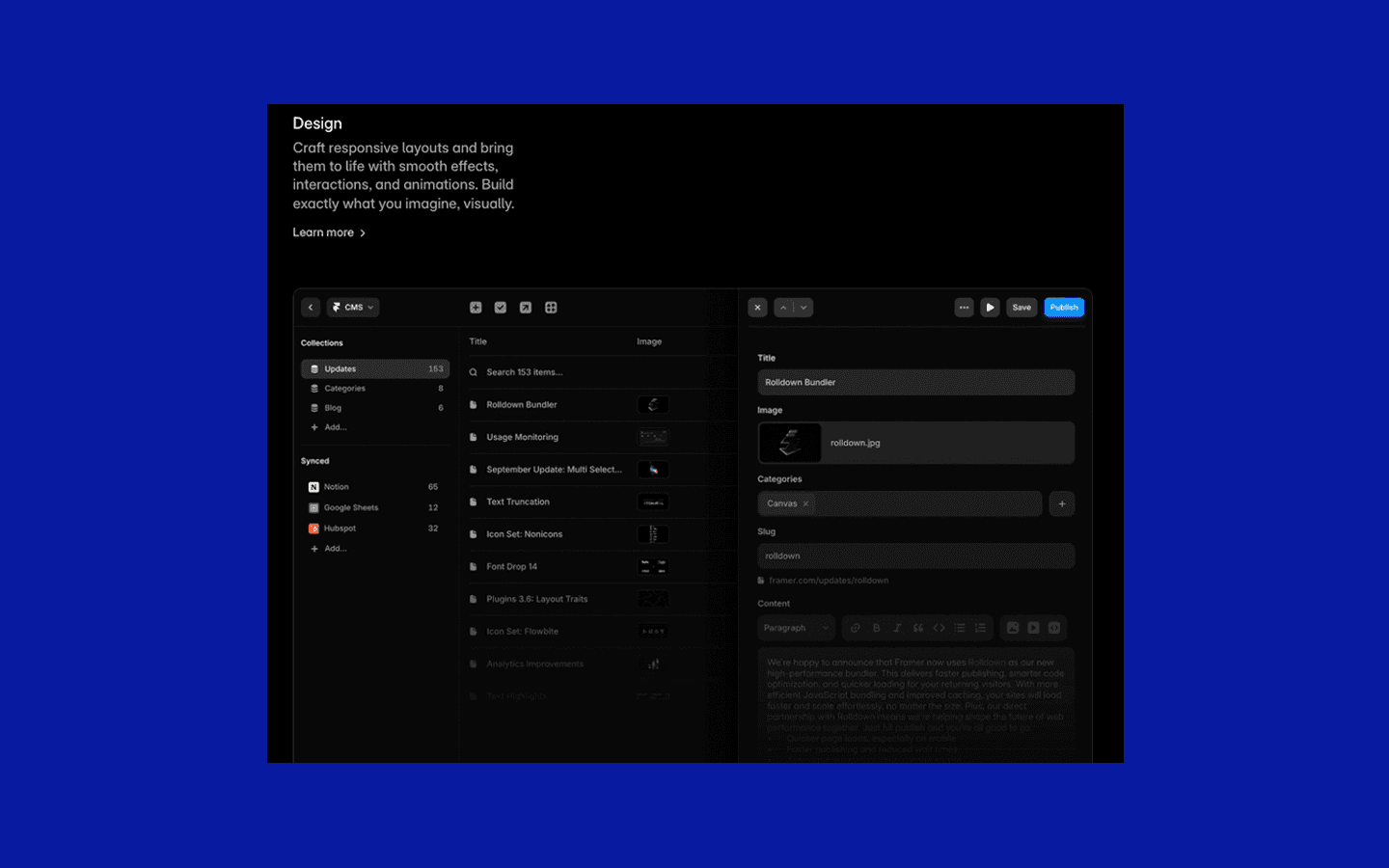
Framer combines a visual canvas, responsive layout system, and optional React-based code components. Designers can drag, animate, and publish directly to the web while still tapping into real logic when needed. Think of it as a no-code tool that quietly teaches you how the web actually works.
#1 Framer
What is Framer?
Framer is a design-to-web platform that lets creators build real, responsive websites without handing designs off to a developer (or becoming one overnight). It serves designers, founders, and creative teams who want full visual control with just enough code under the hood to feel powerful.
Who built it?
Framer is developed by Framer B.V., with deep roots in the design tooling space. Its ecosystem thrives thanks to a large community of product designers, indie founders, and creative technologists sharing components, templates, and experiments.
How does it work?
Framer combines a visual canvas, responsive layout system, and optional React-based code components. Designers can drag, animate, and publish directly to the web while still tapping into real logic when needed. Think of it as a no-code tool that quietly teaches you how the web actually works.
Why is Framer on the list?
Framer earns its place because it collapses the gap between design and deployment. It’s one of the fastest ways to learn how motion, layout, and interaction behave on the real web — without sacrificing creative control.
What's our long term view?
Learning Framer helps creators think beyond static mockups and into real user experiences. As teams move faster and expect designers to ship, Framer becomes a launchpad for creative independence. It turns “I designed it” into “I shipped it.”
Why is Framer on the list?
Framer earns its place because it collapses the gap between design and deployment. It’s one of the fastest ways to learn how motion, layout, and interaction behave on the real web — without sacrificing creative control.
What's our long term view?
Learning Framer helps creators think beyond static mockups and into real user experiences. As teams move faster and expect designers to ship, Framer becomes a launchpad for creative independence. It turns “I designed it” into “I shipped it.”
Why is Framer on the list?
Framer earns its place because it collapses the gap between design and deployment. It’s one of the fastest ways to learn how motion, layout, and interaction behave on the real web — without sacrificing creative control.
What's our long term view?
Learning Framer helps creators think beyond static mockups and into real user experiences. As teams move faster and expect designers to ship, Framer becomes a launchpad for creative independence. It turns “I designed it” into “I shipped it.”
Free tools for the win.
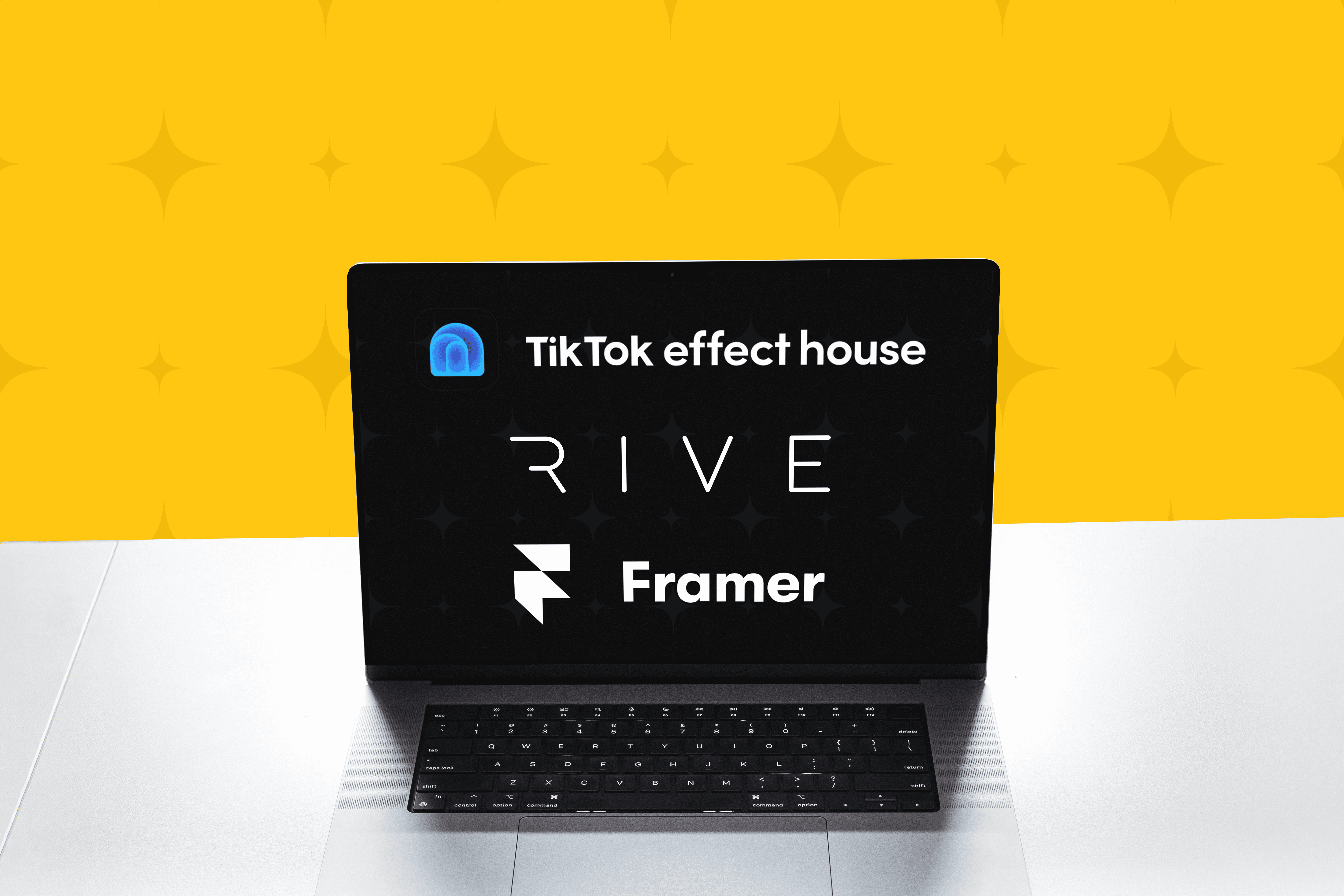
Effect House, Rive, and Framer represent three different but complementary creative superpowers: interaction, motion logic, and real-world deployment. Together, they cover how ideas move from concept → system → audience. If creativity is a muscle, these tools train it in very different (and very useful) ways. Our hope is that you leave with clarity, curiosity, and a short list of tools actually worth learning — not just downloading. More importantly, we hope you see how creative tools are evolving from static outputs into systems that respond, adapt, and connect. Learning any one of these is useful. Learning all three is a creative unlock. Thanks for hanging out and nerding out with us — your curiosity is showing (in a good way). If this list sparked ideas, questions, or a sudden urge to download new software at 2am, you’re in the right place. Head over to our related blogs and keep the creative spiral going — responsibly, of course.
Free tools for the win.
Effect House, Rive, and Framer represent three different but complementary creative superpowers: interaction, motion logic, and real-world deployment. Together, they cover how ideas move from concept → system → audience. If creativity is a muscle, these tools train it in very different (and very useful) ways. Our hope is that you leave with clarity, curiosity, and a short list of tools actually worth learning — not just downloading. More importantly, we hope you see how creative tools are evolving from static outputs into systems that respond, adapt, and connect. Learning any one of these is useful. Learning all three is a creative unlock. Thanks for hanging out and nerding out with us — your curiosity is showing (in a good way). If this list sparked ideas, questions, or a sudden urge to download new software at 2am, you’re in the right place. Head over to our related blogs and keep the creative spiral going — responsibly, of course.
Created by
Bryson Sellers
Date Posted:
Dec 31, 2025
Share
Related Blogs
Explore more content from the Motion Feed
Related Blogs
Explore more content from the Motion Feed
Related Blogs
Explore more content from the Motion Feed
7 MIN READ
Top 3 Trading Card Games To Collect in 2026
We’re spotlighting three trading card games that aren’t just growing in popularity, but are quietly building the kinds of communities that stick.

7 MIN READ
Top 3 Trading Card Games To Collect in 2026
We’re spotlighting three trading card games that aren’t just growing in popularity, but are quietly building the kinds of communities that stick.
7 MIN READ
Top 3 Trading Card Games To Collect in 2026
We’re spotlighting three trading card games that aren’t just growing in popularity, but are quietly building the kinds of communities that stick.
© 2026 That Motion Studio. All Rights Reserved.
" height="37.99998474121094px" id="WTSmwJxrK" transform="translate(1.5 1.151)" width="38px"/><g d="M 0 16 L 0 0 L 16 0 L 16 16 Z M 15.954 4.703 C 15.94 4.037 15.814 3.38 15.583 2.76 C 15.166 1.686 14.317 0.834 13.24 0.42 C 12.62 0.189 11.963 0.063 11.297 0.049 C 10.446 0.009 10.171 0 8 0 C 5.829 0 5.557 0.009 4.703 0.049 C 4.04 0.06 3.383 0.186 2.76 0.42 C 1.686 0.834 0.837 1.686 0.42 2.76 C 0.189 3.383 0.063 4.04 0.049 4.703 C 0.011 5.554 0 5.829 0 8 C 0 10.171 0.011 10.446 0.049 11.297 C 0.063 11.963 0.189 12.62 0.42 13.24 C 0.837 14.314 1.686 15.166 2.76 15.58 C 3.383 15.814 4.04 15.94 4.703 15.951 C 5.557 15.991 5.829 16 8 16 C 10.171 16 10.446 15.991 11.3 15.951 C 11.963 15.94 12.62 15.814 13.243 15.58 C 14.317 15.166 15.166 14.314 15.583 13.24 C 15.814 12.62 15.94 11.963 15.954 11.297 C 15.991 10.446 16 10.171 16 8 C 16 5.829 15.991 5.554 15.954 4.703 Z M 8 12.109 C 5.731 12.109 3.894 10.269 3.894 8 C 3.894 5.731 5.731 3.891 8 3.891 C 9.134 3.891 10.16 4.352 10.906 5.094 C 11.649 5.84 12.109 6.866 12.109 8 C 12.109 10.269 10.269 12.109 8 12.109 Z M 12.271 4.689 C 11.74 4.689 11.311 4.26 11.311 3.729 C 11.311 3.197 11.74 2.769 12.271 2.769 C 12.803 2.769 13.231 3.2 13.231 3.729 C 13.231 4.257 12.803 4.689 12.271 4.689 Z M 10.668 8 C 10.668 9.472 9.474 10.666 8.003 10.666 L 8 10.666 C 6.528 10.666 5.334 9.472 5.334 8 C 5.334 6.529 6.528 5.334 8 5.334 C 9.471 5.334 10.668 6.529 10.668 8 Z" fill="transparent" height="16px" id="n0f2emJEm" transform="translate(12 12.349)" width="16px"><path d="M 0 16 L 0 0 L 16 0 L 16 16 Z" fill="transparent" height="16px" id="wUnzrsHuE" width="16px"/><path d="M 15.954 4.703 C 15.94 4.037 15.814 3.38 15.583 2.76 C 15.166 1.686 14.317 0.834 13.24 0.42 C 12.62 0.189 11.963 0.063 11.297 0.049 C 10.446 0.009 10.171 0 8 0 C 5.829 0 5.557 0.009 4.703 0.049 C 4.04 0.06 3.383 0.186 2.76 0.42 C 1.686 0.834 0.837 1.686 0.42 2.76 C 0.189 3.383 0.063 4.04 0.049 4.703 C 0.011 5.554 0 5.829 0 8 C 0 10.171 0.011 10.446 0.049 11.297 C 0.063 11.963 0.189 12.62 0.42 13.24 C 0.837 14.314 1.686 15.166 2.76 15.58 C 3.383 15.814 4.04 15.94 4.703 15.951 C 5.557 15.991 5.829 16 8 16 C 10.171 16 10.446 15.991 11.3 15.951 C 11.963 15.94 12.62 15.814 13.243 15.58 C 14.317 15.166 15.166 14.314 15.583 13.24 C 15.814 12.62 15.94 11.963 15.954 11.297 C 15.991 10.446 16 10.171 16 8 C 16 5.829 15.991 5.554 15.954 4.703 Z M 8 12.109 C 5.731 12.109 3.894 10.269 3.894 8 C 3.894 5.731 5.731 3.891 8 3.891 C 9.134 3.891 10.16 4.352 10.906 5.094 C 11.649 5.84 12.109 6.866 12.109 8 C 12.109 10.269 10.269 12.109 8 12.109 Z M 12.271 4.689 C 11.74 4.689 11.311 4.26 11.311 3.729 C 11.311 3.197 11.74 2.769 12.271 2.769 C 12.803 2.769 13.231 3.2 13.231 3.729 C 13.231 4.257 12.803 4.689 12.271 4.689 Z" fill="rgb(31, 29, 30)" height="16px" id="gE64Aejfb" width="16px"/><path d="M 5.334 2.666 C 5.334 4.137 4.14 5.331 2.669 5.331 L 2.666 5.331 C 1.194 5.331 0 4.137 0 2.666 C 0 1.194 1.194 0 2.666 0 C 4.137 0 5.334 1.194 5.334 2.666 Z" fill="rgb(31, 29, 30)" height="5.331400000000002px" id="KT1MnpC_F" transform="translate(5.334 5.334)" width="5.3343000000000025px"/></g></svg>)
" height="37.99998664855957px" id="IhKgiz0q2" transform="translate(1.5 1.151)" width="38px"/><path d="M 15.833 2.433 C 15.833 2.433 15.667 1.333 15.2 0.833 C 14.6 0.2 13.9 0.2 13.6 0.167 C 11.367 0 8 0 8 0 C 8 0 4.633 0 2.4 0.167 C 2.1 0.2 1.4 0.2 0.8 0.833 C 0.333 1.333 0.167 2.433 0.167 2.433 C 0.167 2.433 0 3.733 0 5.033 L 0 6.233 C 0 7.533 0.167 8.833 0.167 8.833 C 0.167 8.833 0.333 9.933 0.8 10.433 C 1.4 11.067 2.2 11.067 2.567 11.133 C 3.833 11.267 8 11.3 8 11.3 C 8 11.3 11.367 11.3 13.6 11.133 C 13.9 11.1 14.6 11.1 15.2 10.467 C 15.667 9.967 15.833 8.867 15.833 8.867 C 15.833 8.867 16 7.567 16 6.267 L 16 5.067 C 16 3.733 15.833 2.433 15.833 2.433 Z M 6.333 7.7 L 6.333 3.2 L 10.667 5.467 Z" fill="rgb(31, 29, 30)" height="11.299999999999999px" id="bwQ5MGNhW" transform="translate(12 14.716)" width="16px"/></svg>)
" height="37.99998474121094px" id="WbUQvMLKU" transform="translate(1.5 1.849)" width="38px"/><g d="M 0 16 L 0 0 L 16 0 L 16 16 Z M 9.524 6.759 L 15.481 0 L 14.07 0 L 8.895 5.867 L 4.765 0 L 0 0 L 6.247 8.873 L 0 15.96 L 1.411 15.96 L 6.872 9.763 L 11.235 15.96 L 16 15.96 M 1.921 1.039 L 4.089 1.039 L 14.069 14.972 L 11.9 14.972" fill="transparent" height="16px" id="va9FaUG_c" transform="translate(12 12.349)" width="16px"><path d="M 0 16 L 0 0 L 16 0 L 16 16 Z" fill="transparent" height="16px" id="vDSCuvk_Z" width="16px"/><path d="M 9.524 6.759 L 15.481 0 L 14.07 0 L 8.895 5.867 L 4.765 0 L 0 0 L 6.247 8.873 L 0 15.96 L 1.411 15.96 L 6.872 9.763 L 11.235 15.96 L 16 15.96 M 1.921 1.039 L 4.089 1.039 L 14.069 14.972 L 11.9 14.972" fill="rgb(31, 29, 30)" height="15.9602px" id="mPahwI4J7" width="16px"/></g></svg>)
© 2026 That Motion Studio.
All Rights Reserved.
© 2026 That Motion Studio.
All Rights Reserved.